

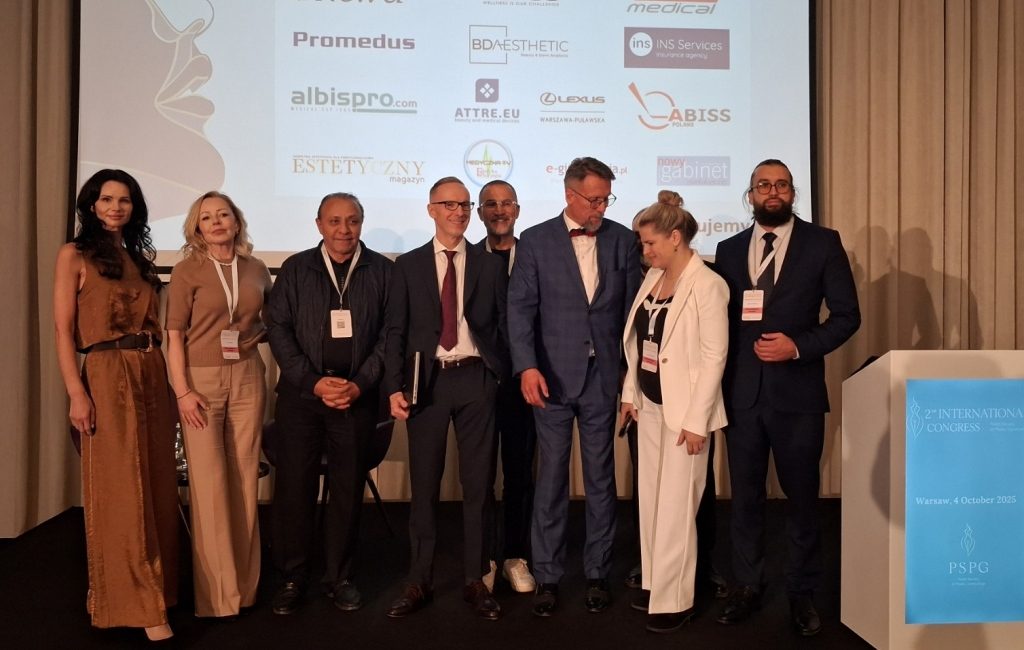
We are delighted to announce that the 2nd International Congress of the Polish Society of Plastic Gynecology (PTGP), which took place on 2–4 October 2025 in Warsaw, concluded with complete success. The event brought together a large group of specialists from Poland and abroad, including gynecologists, surgeons, urogynecologists, and experts in genital aesthetics and reconstruction. Participants emphasized not only the high scientific quality of the presentations, but also the excellent organization, a rich scientific program, and an atmosphere conducive to the exchange of experience.
From the very first day of the congress, participants’ attention was drawn to the Masterclass, an exceptional educational event. It featured a live broadcast of two complex procedures from the SaskaMed clinic – a labiaplasty performed by Dr. Piotr Kolczewski and Dr. Rafał Kuźlik, and a presentation of a modern treatment method using Urolon, delivered by Dr. Nabill Elmahdawi. Participants had the opportunity not only to observe the course of the procedures, but also to ask questions in real time and discuss the technical aspects of individual stages of the operations. In the opinion of many attendees, this was the most valuable component of the entire congress – a unique opportunity to learn in practice from leading specialists.
The congress’s scientific program comprised eleven thematic sessions that comprehensively presented the latest advances in plastic, aesthetic, and reconstructive gynecology. The first session was devoted to the issue of urinary incontinence and the symptoms of vaginal laxity and dryness (GSM). Modern treatment methods were discussed, including therapies combining laser therapy and platelet-rich plasma, as well as the use of EBD technologies in conservative therapy. The discussion that unfolded after the presentations made clear how dynamically this field is developing and how important interdisciplinary approaches are in everyday clinical practice.
The second session addressed diseases of the vulva, such as lichen sclerosus and vaginismus. Experts presented both current diagnostic options and effective treatment protocols, including the use of botulinum toxin in the treatment of pelvic floor muscle tone disorders. They also highlighted the need to combine regenerative methods with pharmacological and behavioral therapies, which drew great interest from the audience.
During the third session the role of autologous and natural materials in aesthetic gynecology was discussed – such as hyaluronic acid, PRP, amino acids, and a novelty in this field: exosomes. The discussion covered the efficacy, safety, and future of these methods, highlighting their importance in tissue regeneration and in improving women’s sexual function.
The fourth session was devoted to modern technologies that are increasingly entering aesthetic gynecology. The speakers presented the latest devices and solutions, as well as prospects for using artificial intelligence in diagnostics and procedure planning. Talks on the use of laser and radiofrequency technologies in women after cancer treatment attracted particular interest.
In the fifth session, topics related to liposuction, fat transfer, and the use of PDO threads dominated. Experts shared their experiences on increasing the survival of transplanted fat cells, contouring the labia majora, and improving the aesthetics of the intimate area. The discussions following the presentations were highly practical and allowed participants to compare different surgical techniques.
The sixth and seventh sessions were devoted to vaginal and perineal surgery and reconstructive surgery. Topics included vaginoplasty, including the “reverse” technique, reconstruction of the vaginal vestibule, as well as procedures restoring aesthetics and function after childbirth or earlier surgeries. There were also topics in aesthetic urology – among other things, methods for treating stress urinary incontinence and issues related to pelvic organ prolapse were discussed.
Subsequent sessions focused on surgery of the labia and the clitoral hood, reconstructive techniques, as well as on the links between aesthetic gynecology, urology, and proctology. Particularly interesting were the case presentations that illustrated the complexity and the interdisciplinary nature of this area of medicine. A great deal of emotion was stirred by the session devoted to complications following aesthetic procedures and to effective methods for their treatment and prevention.
Throughout all days of the congress, the atmosphere fostered an open exchange of ideas and experiences. Participants eagerly took part in discussions, asked questions, and shared their observations from clinical practice. The speakers consistently emphasized the high level of audience engagement and the strong substantive value of the debates after each session.
In summary, the 2nd PTGP Congress was not only a significant scientific event, but also a place for integrating the community of physicians involved in plastic gynecology. Participants left Warsaw feeling inspired and motivated to continue their professional development.
The organizers are already inviting you to the next events: a two-day Masterclass, which will take place in April 2026, as well as the 3rd International Congress of the Polish Society of Plastic Gynecology, scheduled for September 2026.
-
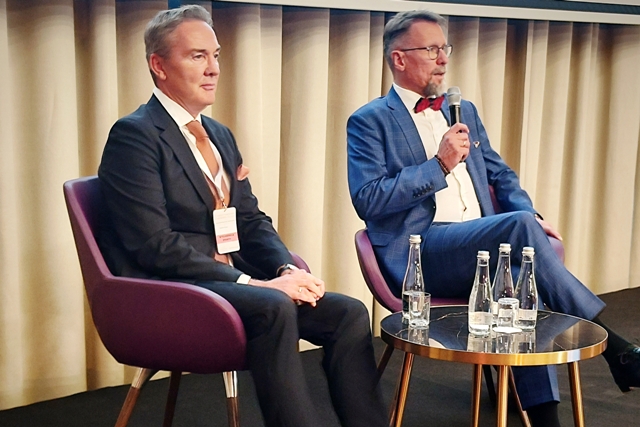
- Prof. Stefan Gress i dr Rafał Kuźlik prowadzą sesję Q&A podczas sesji Chirurgia warg sromowych mniejszych i napletka łechtaczki
-
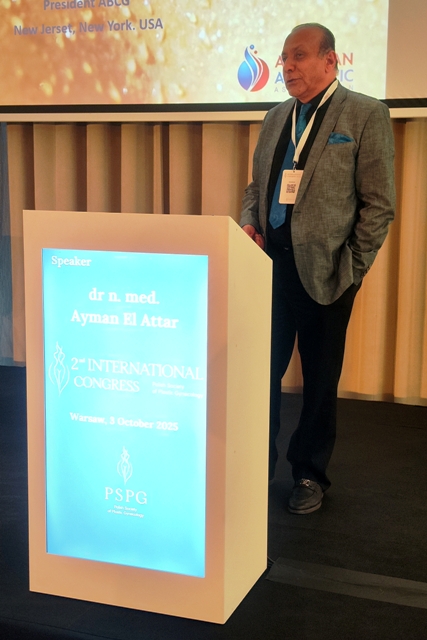
- Wskazówki i triki – jak wydłużyć przeżywalność przeszczepu tłuszczu – dr n. med. Ayman El Attar z USA
-
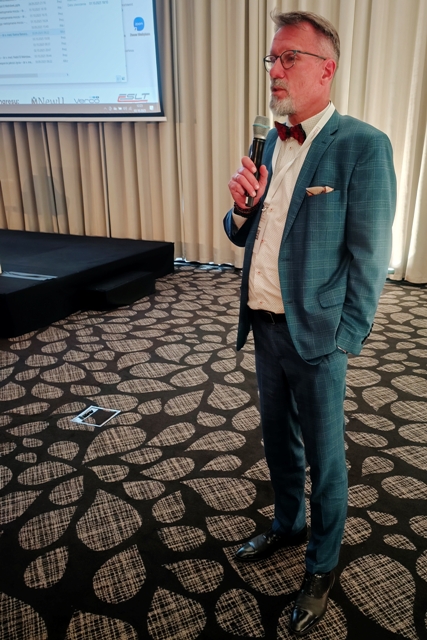
- Dr n. med. Rafał Kuźlik
-
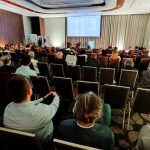
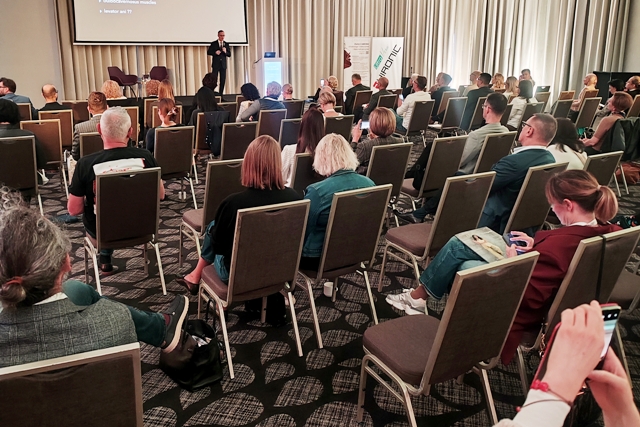
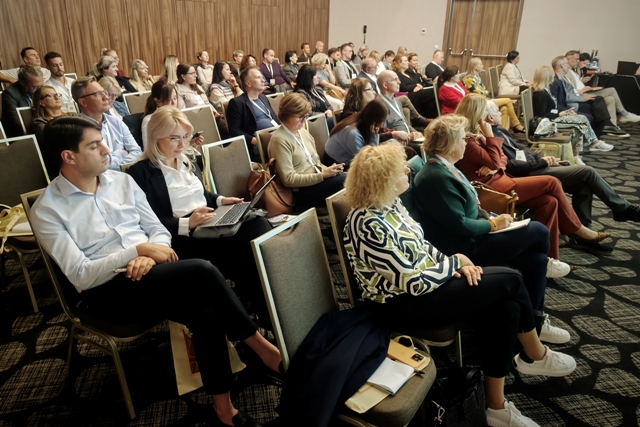
- Sala wykładowa podczas Kongresu
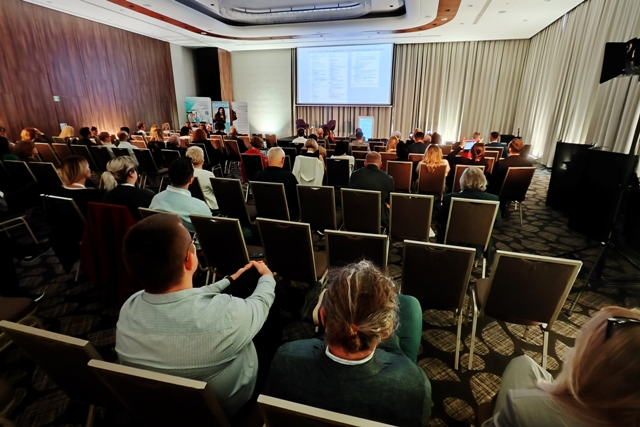
-

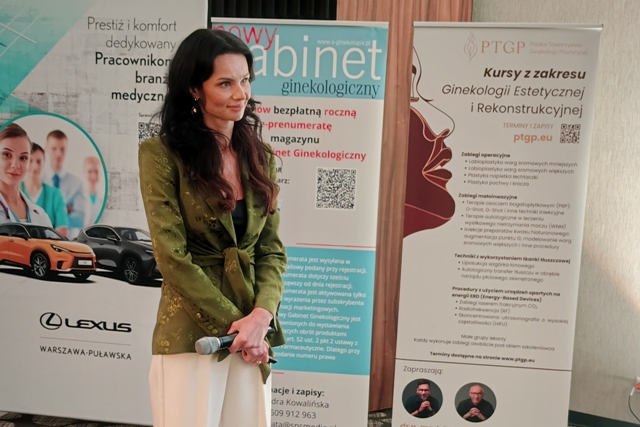
- Dr n. med. Karina Barszczewska
-
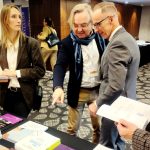
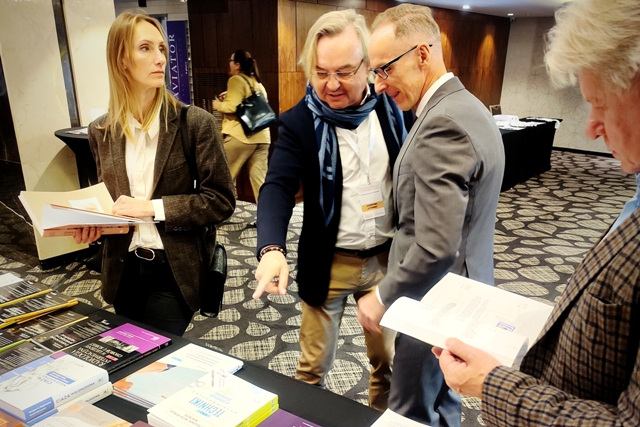
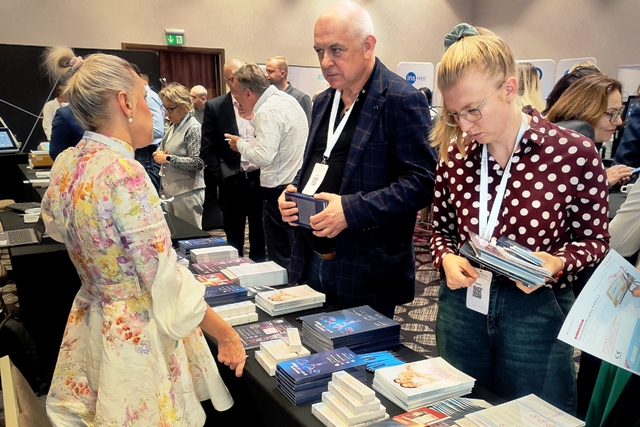
- Księgarnia jak zawsze cieszyła się dużym zainteresowaniem
-
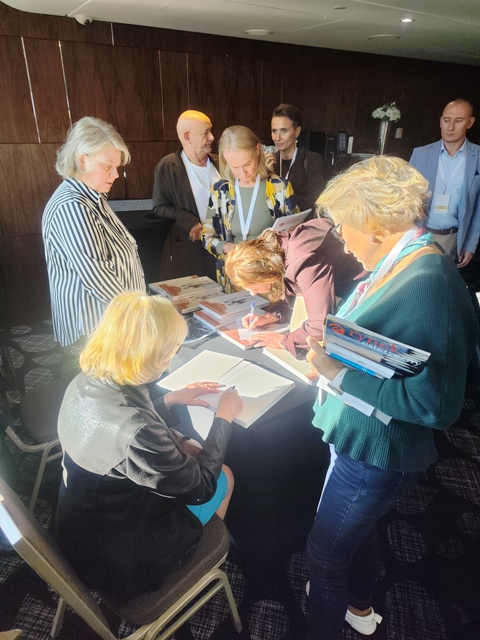
- Prof. dr hab. n. med. Małgorzata Kołodziejczak podpisuje swoją najnowszą książkę
-
- Sala wykładowa podczas Masterclass
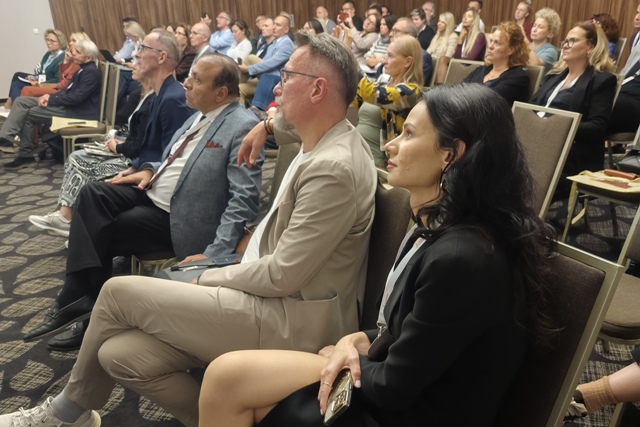
-
- Sala wykładowa podczas Masterclass
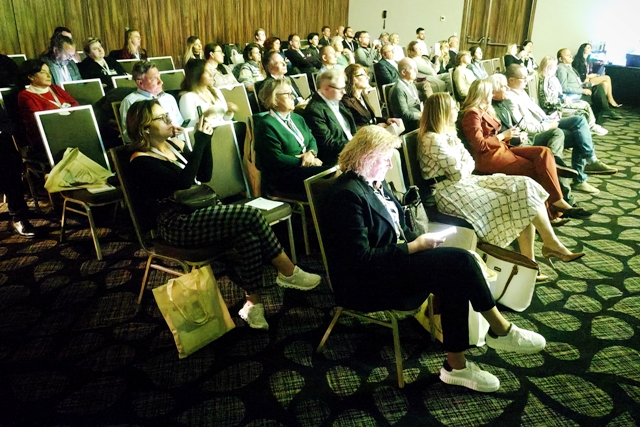
-
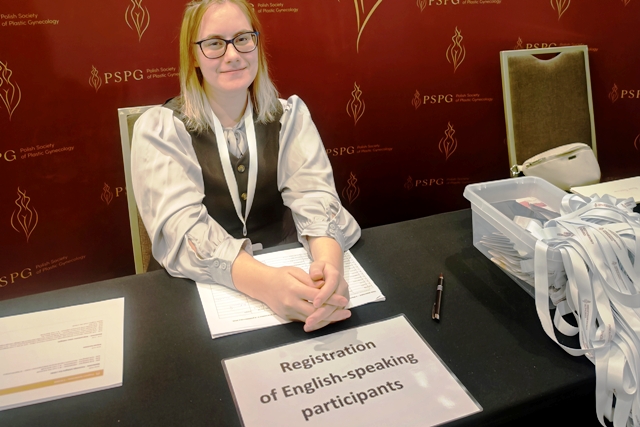
- Rejestracja uczestników
-
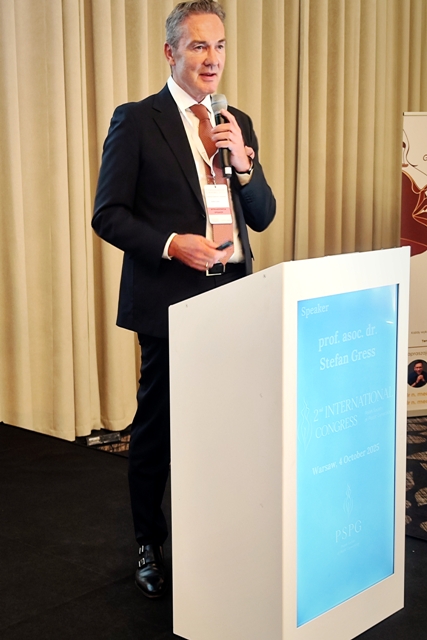
- Prof. asoc. Dr. Stefan Gress, Niemcy powiedział wykład pt. The art of labiaplasty and labiarevision
-
- Na granicy ginekologii estetycznej i proktologii swoimi doświadczeniami podzielił się dr n. med. Mariusz Chmielak
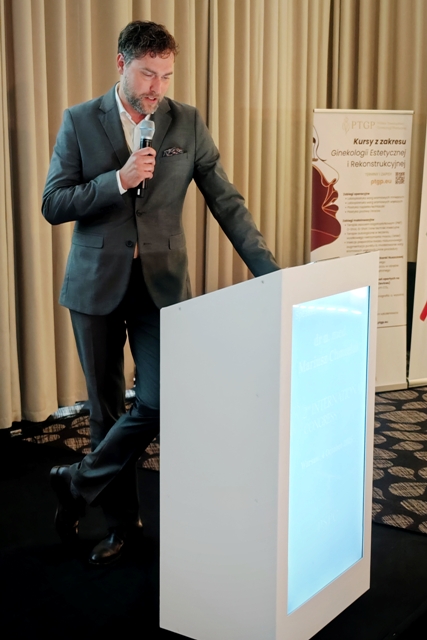
-
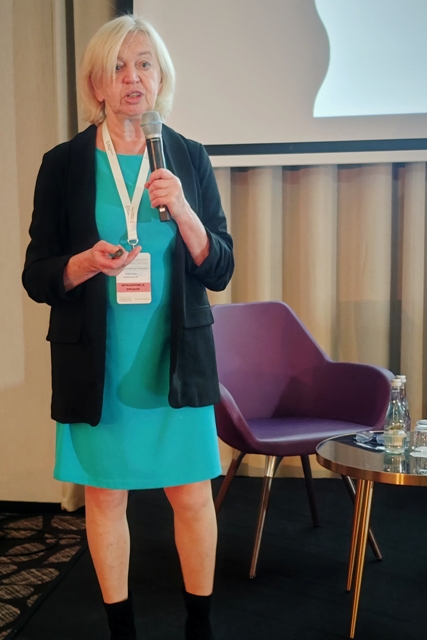
- Prof. dr hab. n. med. Małgorzata Kołodziejczak podczas Masterclass
-
- Wykład dr Liliny Tryfonyuk
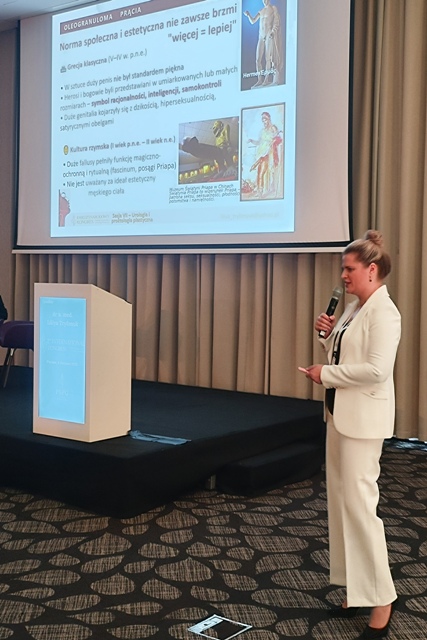
-
- Wykład prowadzi prof. Aneta Cymbaluk
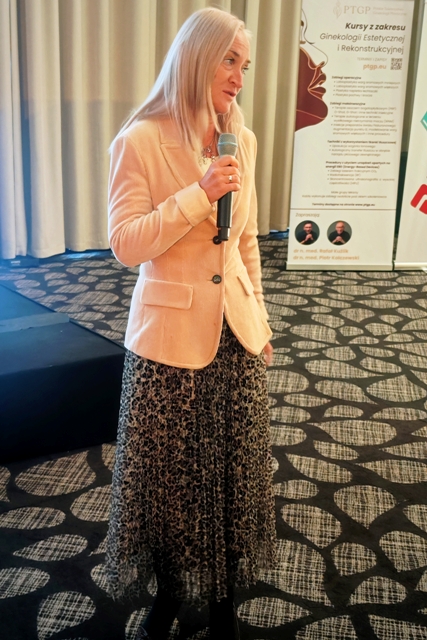
-
- Sala wykładowa podczas Kongresu
-
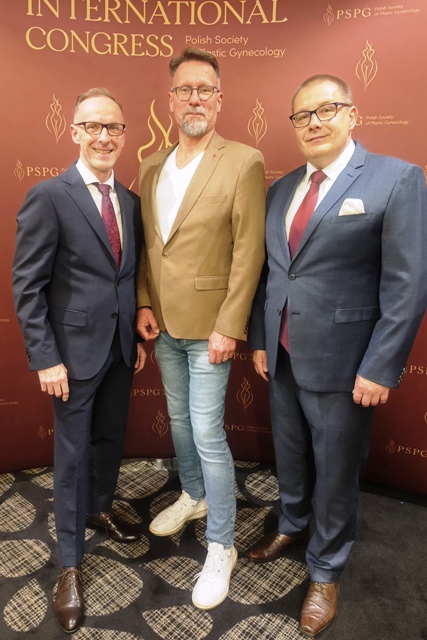
- Trzej organizatorzy Kongresu: dr n. med. Piotr Kolczewski, dr n. med. Rafał Kuźlik i inż. mgr. Piotr Szymański
-
- Nowoczesne, małoinwazyjne metody liftingu niciowego pochwy jako wartościowa alternatywa dla chirurgii to tytuł wykładu dr n. med. Tinatin Tomadze z Gruzji
-
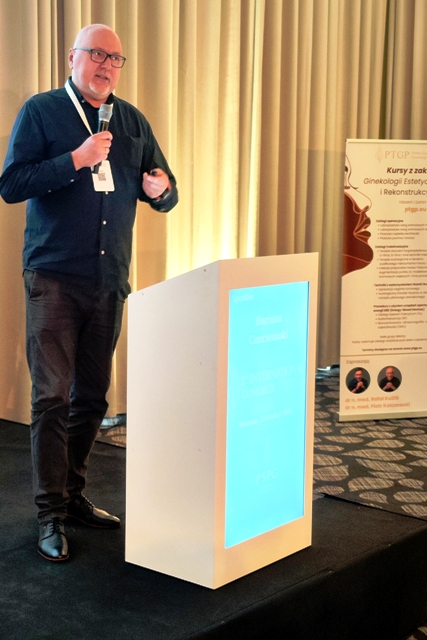
- Wykład na temat wykorzystania AI w ginekologii prowadzi inż Dariusz Czerwiński
-

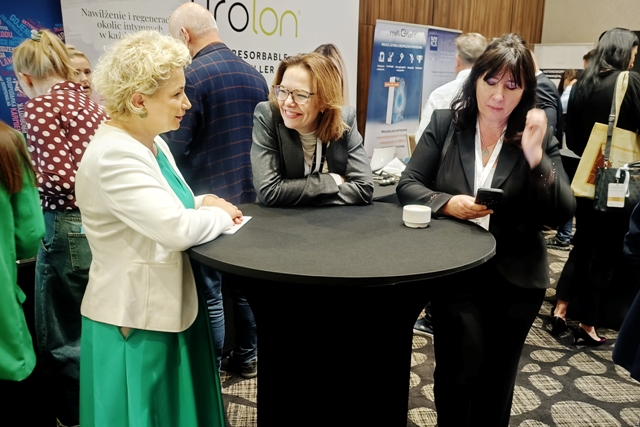
- Chwila wytchnienia podczas przerwy kawowej

-
- Stoisko firmy Verco
-
- Chwila wytchnienia podczas przerwy kawowej
-
- Stoisko firmy NewU
-
- Sala wykładowa podczas Masterclass
-
- Sala wykładowa podczas Masterclass
-

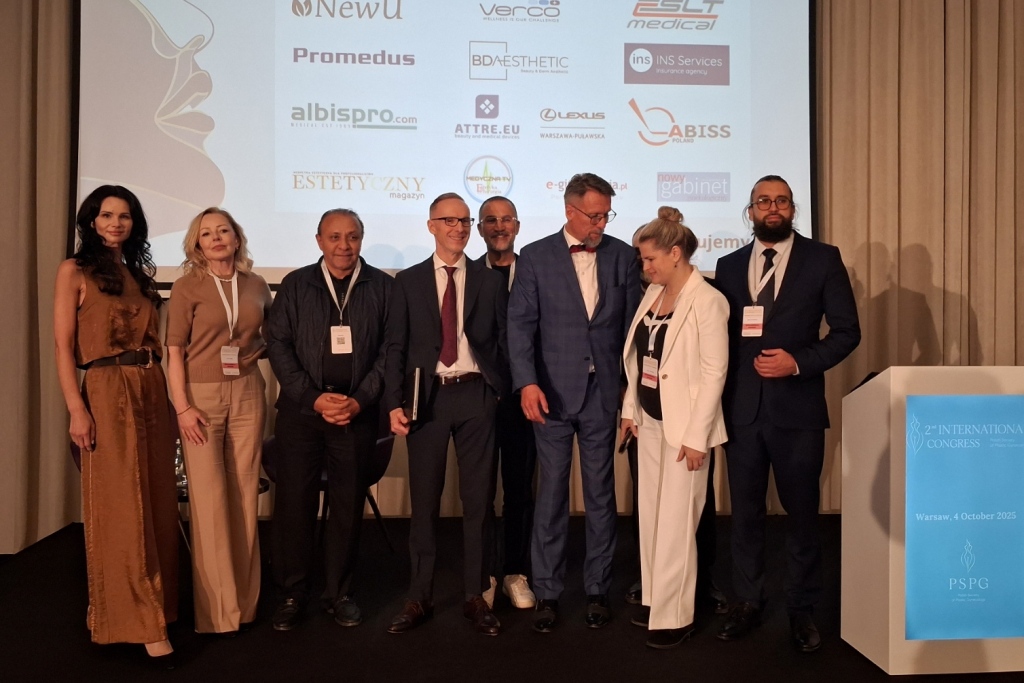
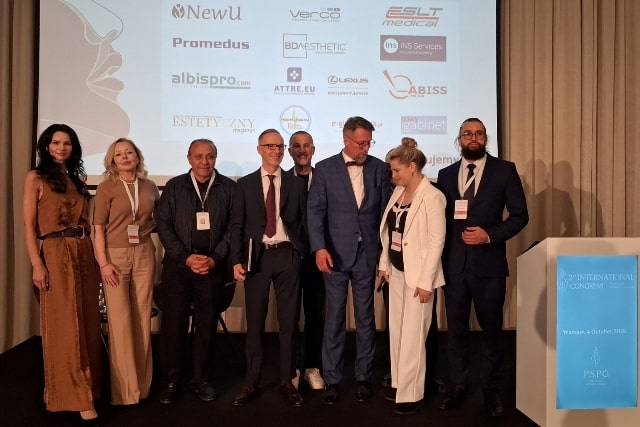
- Grono wykładowców (nie wszystkich) po zakończeniu Kongresu
-
- Dr n. med. Rafał Kuźlik udziela wywiadu
-
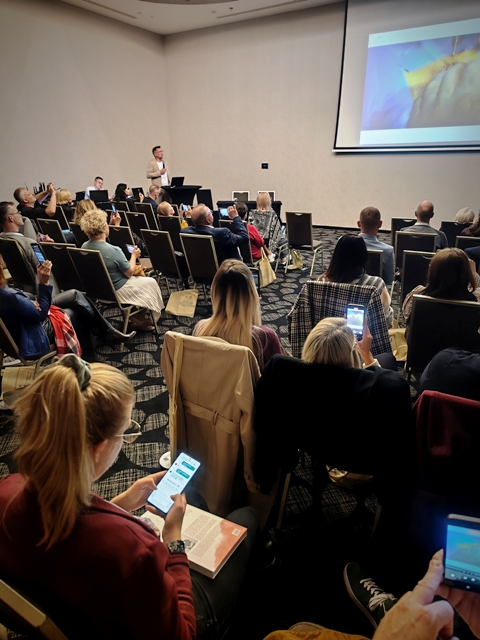
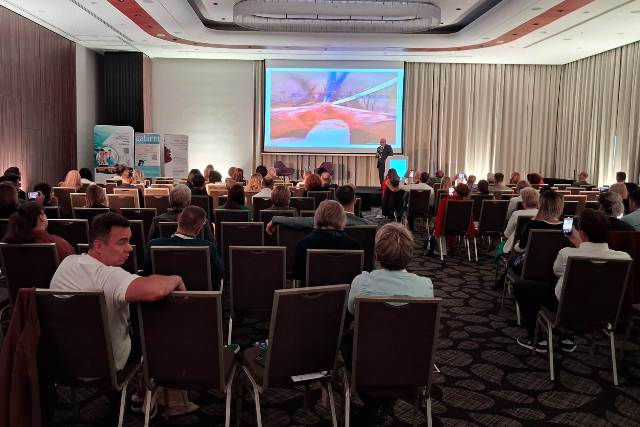
- Trwa kolejny wykład w czasie sesji głównej Kongresu
-
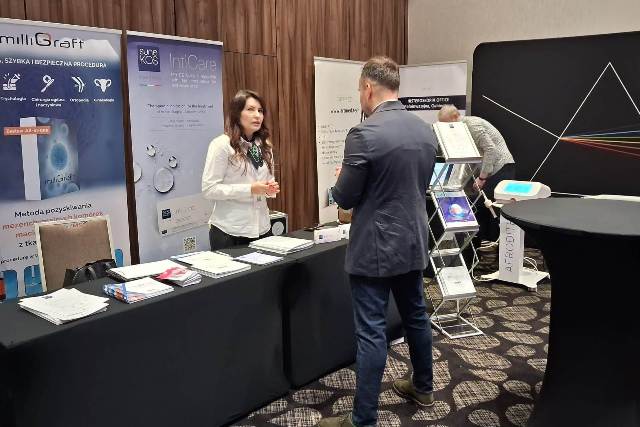
- Stoisko firmy BD Aesthetic
-
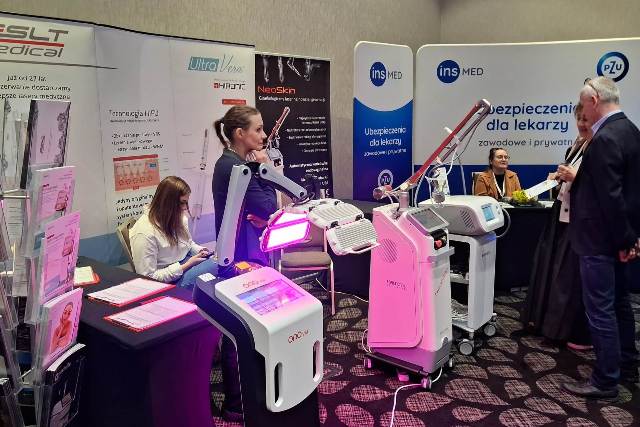
- Stoisko firmy ESTL
-

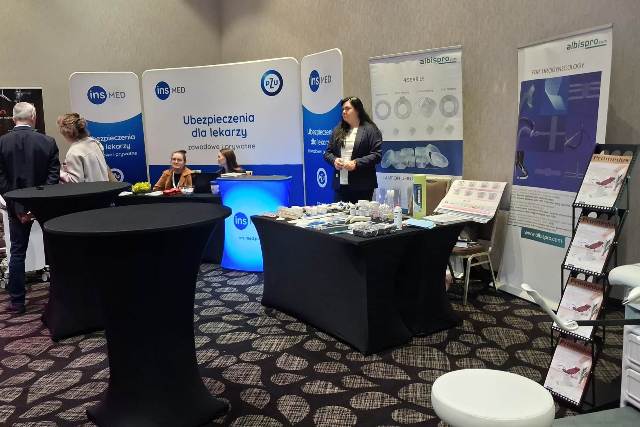
- Stoiska firm podczas wykładów, były puste. Wszyscy lekarze byli na sali
-

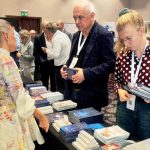
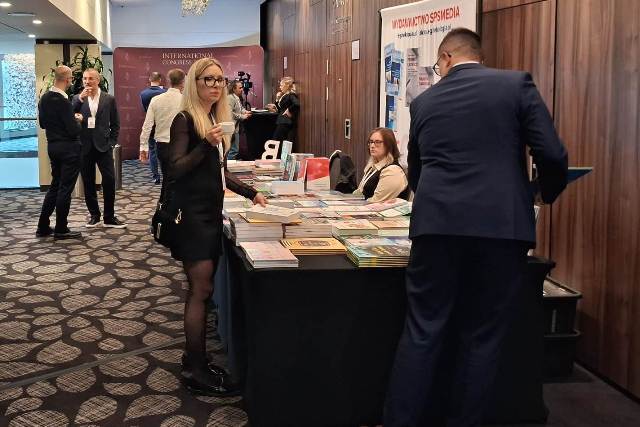
- Jak zawsze, dużym powodzeniem cieszyła się księgarnia medyczna
-
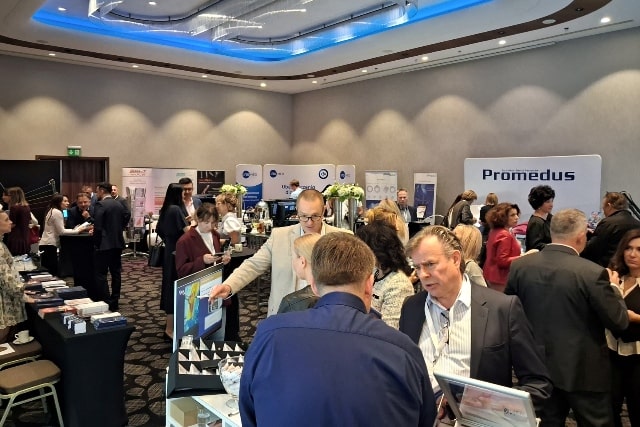
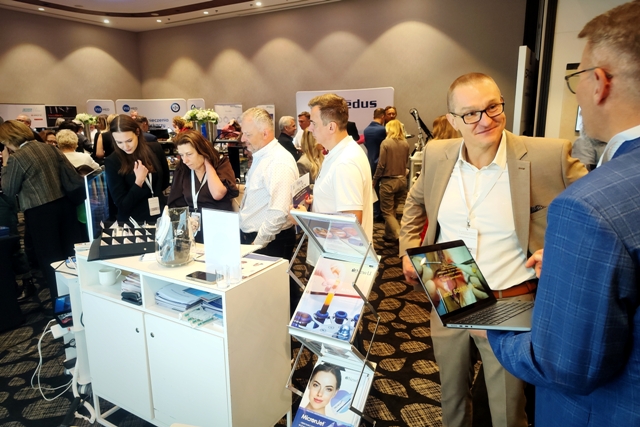
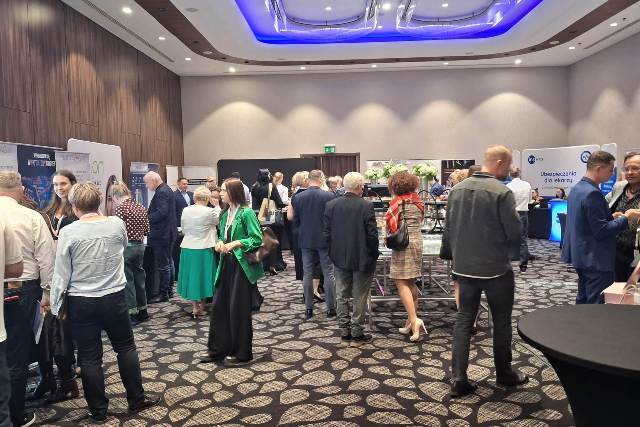
- Sala wystawców
-
- Wykładowcy Kongresu po zakończeniu obrad
-
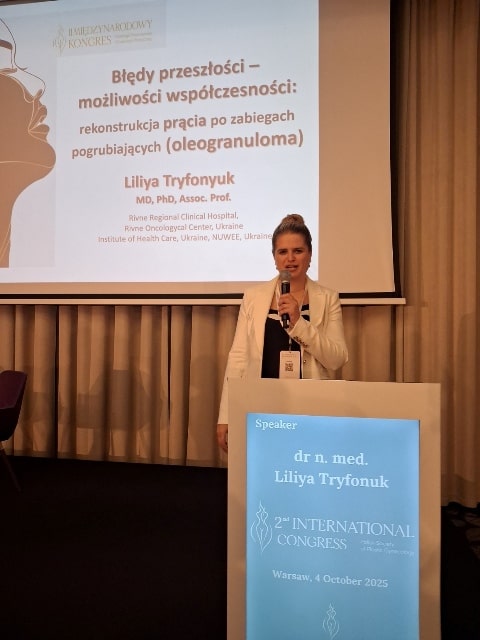
- Liliya Tryfonuk prowadzi wykład o rekonstrukcji prącia po zabiegach pogrubiających (oleogranuloma)
-
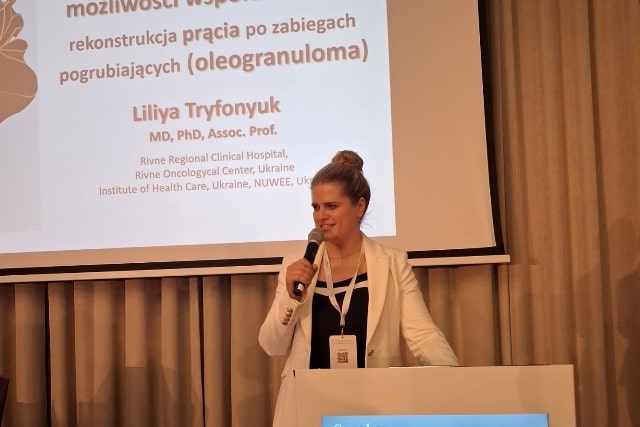
- Liliya Tryfonuk prowadzi wykład o rekonstrukcji prącia po zabiegach pogrubiających (oleogranuloma)
-
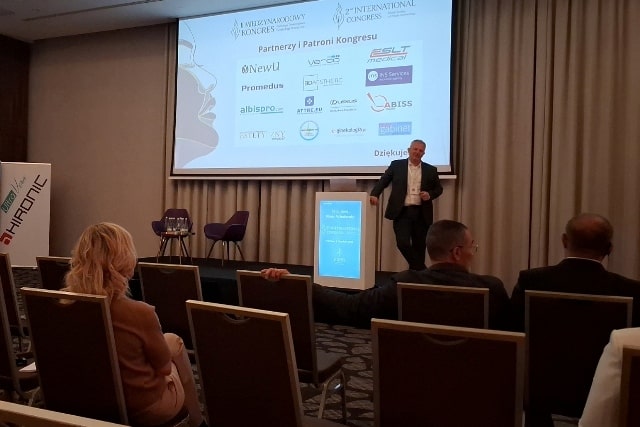
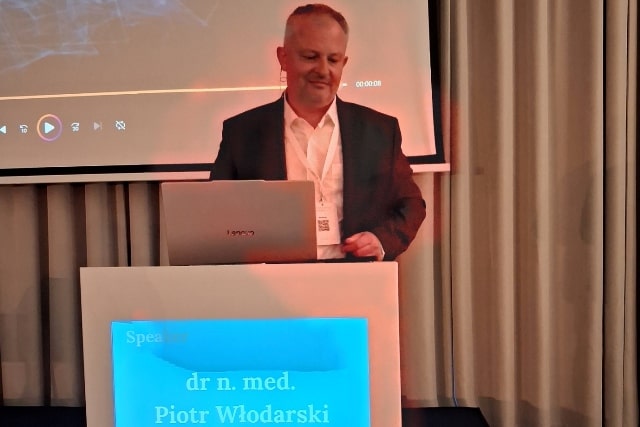
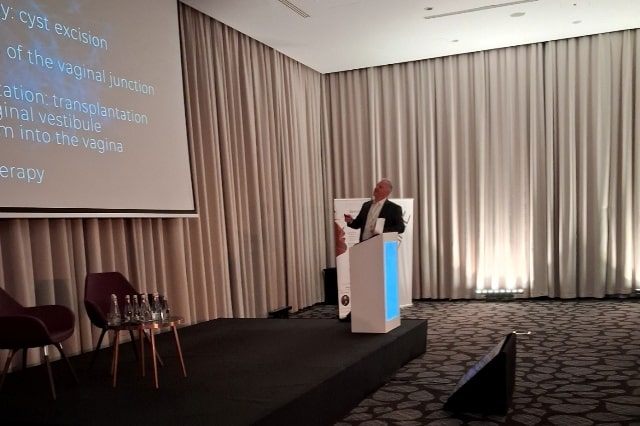
- Case study nt. wytworzenia pochwy w przypadku jej całkowitej agenezji. Wykład prowadzi dr n. med. Piotr Włodarski
-
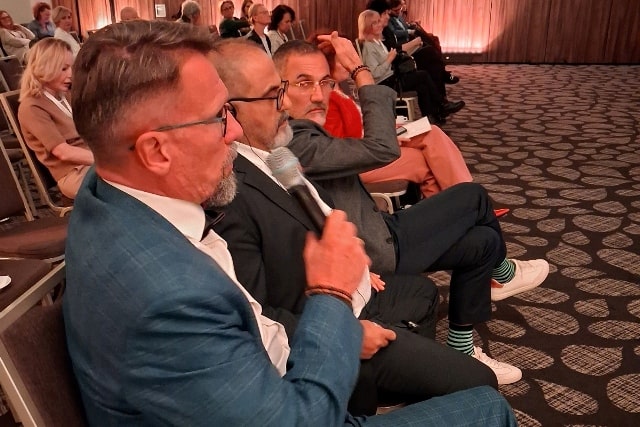
- Po każdej sesji pytań i dyskusji było wiele
-
- Case study nt. wytworzenia pochwy w przypadku jej całkowitej agenezji. Wykład prowadzi dr n. med. Piotr Włodarski
-
- Case study nt. wytworzenia pochwy w przypadku jej całkowitej agenezji. Wykład prowadzi dr n. med. Piotr Włodarski
-
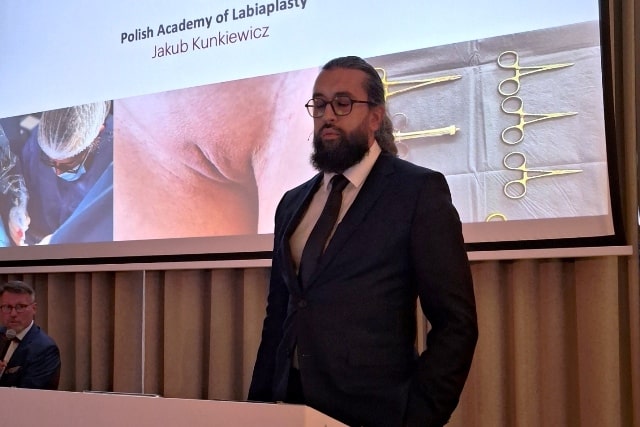
- Jakub Kunkiewicz podzielił się swoimi doświadczeniami i przedstawił efekty labioplastyki wykonanej techniką Posterior Wedge
-
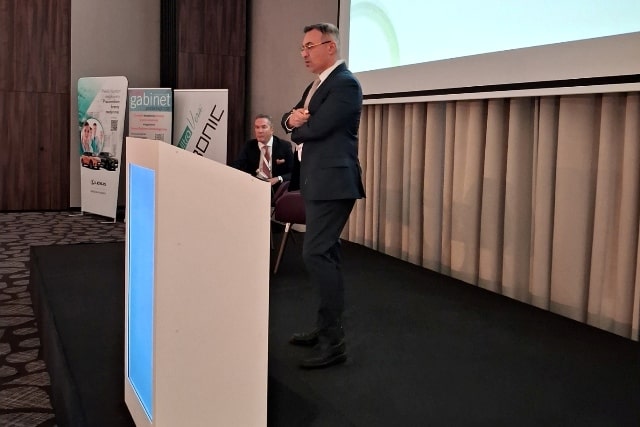
- O labioplastyce laserem mówił dr n. med. Mustafa Aldan
-
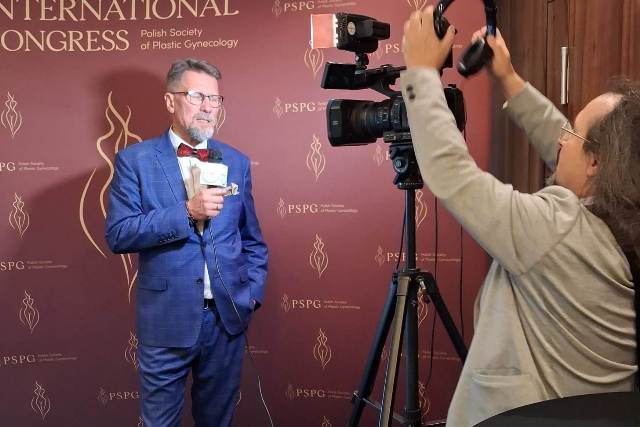
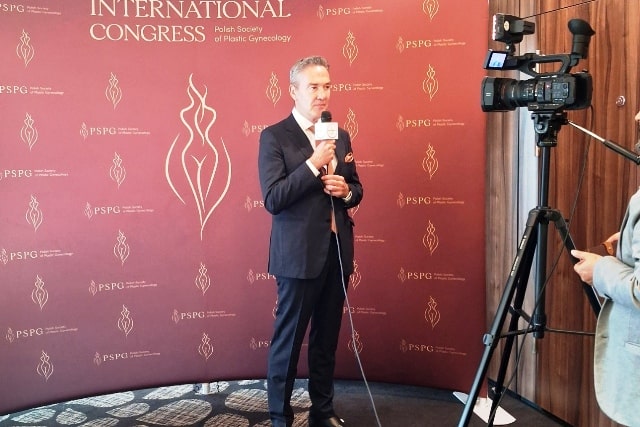
- Prof. Stefan Gress z Monachium udziela wywiadu telewizyjnego
-
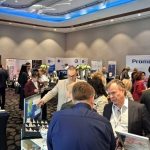
- Podczas przerw na sali wystawców było dużo rozmów